8. How to stay invisible on the Internet?
It is impossible to remain completely invisible online. But it is possible to minimize digital footprints and make it harder to link your actions to your identity. The goal: reduce tracking by ad networks and platforms, avoid attracting the attention of outsiders, protect private messages, and control what data is collected and sold about you.
Top Risks
Most data breaches don’t happen because of a single hack, but because we leave many small traces. Cookies, app data, message metadata, and profiles at data brokers. Companies and ad networks combine such fragments and get a complete picture of a user’s interests and behavior.
Network layer: VPNs, Tor and their limitations
Using a VPN hides your real IP address from sites and ISPs in a particular session, but does not make you anonymous per se. The VPN provider sees your metadata, and many services use not only IP but also other attributes to identify you. For a serious threat (targeted attacks, snooping), a VPN is insufficient.
Tor is a different model. Here, traffic passes through multiple nodes, making it much harder to link you to the resources you visit. Tor is designed for situations where anonymity is required, but it is slower and not always compatible with regular sites. When using Tor, you should follow the rules of behavior: do not log into personal accounts, do not download unsafe files and do not disable the built-in security systems.
Browser: cookies, trackers and fingerprints
Browsers and extensions can block trackers, but modern tracking methods go beyond cookies. Browser fingerprints (a collection of software versions, fonts, screen resolution, and other parameters) are often unique and can distinguish users even without cookies. Many browsers are unique in their set of properties, so simply clearing cookies will not solve the problem.
Account hygiene: mail, accounts, phones
Use separate email addresses for different purposes, do not mix anonymous and personal accounts. For private correspondence, use services with end-to-end encryption and minimal metadata collection. Two-factor authentication and unique passwords for each service reduce the risk of someone else’s actions being tied to your identity. Whenever possible, use hardware keys to log in.
Smartphone and apps
Many apps constantly stream location, events, and interactions in the background. On your phone, disable app permissions, ask for «use only» access, deny access to contacts and geolocation unless it’s critical. Periodically check the list of apps that send data and use built-in or third-party tools to block tracking in apps.
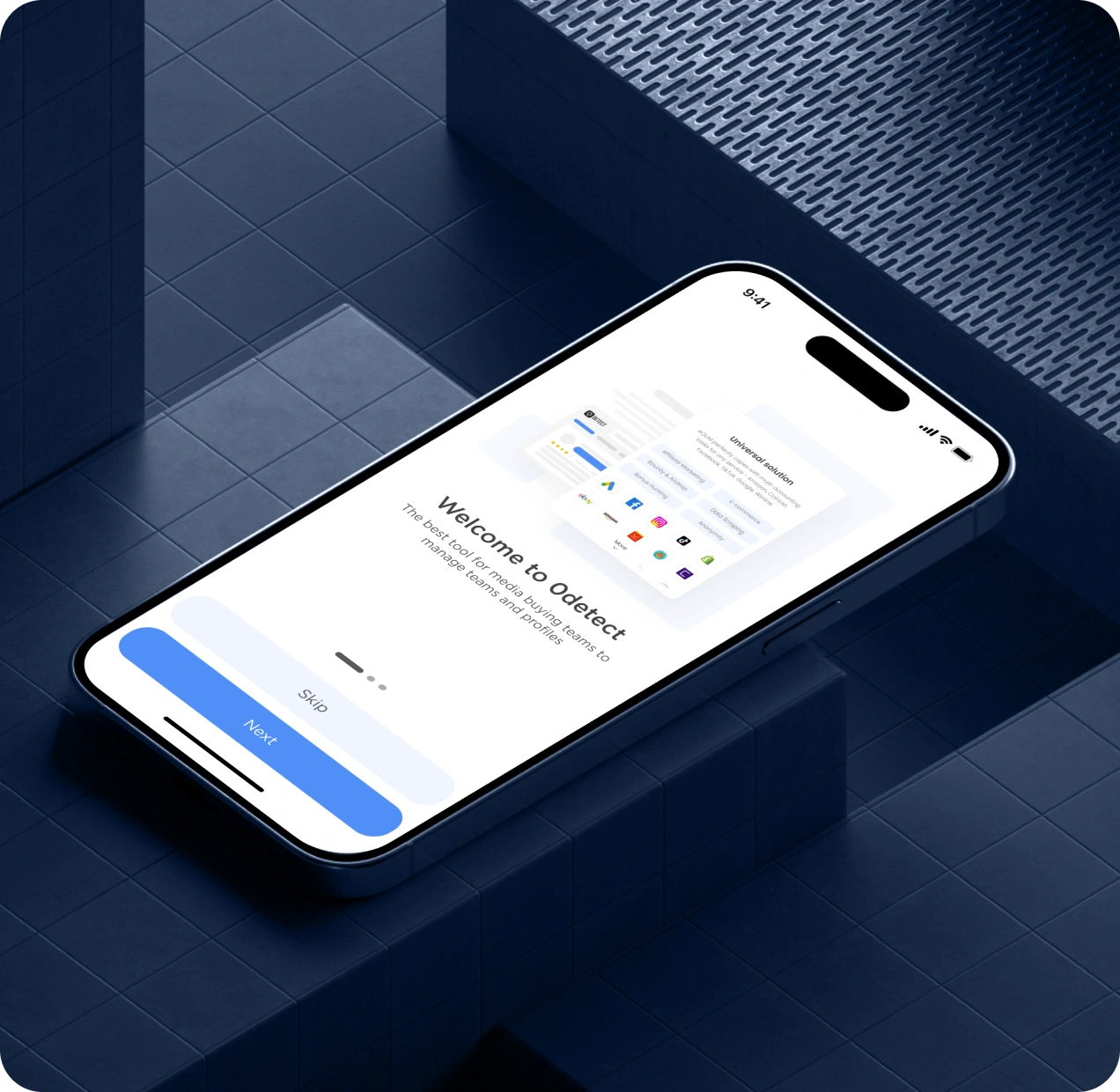
It is also useful to use anti-detect browsers specifically designed for such purposes. For example, 0DETECT.
It is also useful to enable random MAC address change when connecting to Wi-Fi (the feature is available in most modern OS), it makes it difficult to link observations in local networks.
Data Brokers and Legal Rights
If you are under GDPR jurisdiction, it is possible to make requests for access or deletion of personal data to companies. Regulation is less uniform in the US and other countries, but regulators periodically publish transparency guidelines for the data broker industry.
Make your work fast and secure with 0DETECT Browser